
Chimney Liner Replacement

Provides structural integrity to buildings.
Chimney Liner Replacement in Ottawa – Protect & Improve Your Chimney
A chimney liner is a crucial part of your chimney system, designed to protect your home from heat damage, toxic gases, and fire hazards. Over time, chimney liners can crack, deteriorate, or become blocked, leading to poor ventilation and increased safety risks.
If you notice smoke entering your home, a burning smell, or poor heating efficiency, it may be time to replace your chimney liner. At Ottawa Masonry, we specialize in professional chimney liner installation to enhance safety, efficiency, and compliance with fire codes.
Why Chimney Liners Are Essential
A chimney liner is a protective barrier that lines the inside of the chimney flue, ensuring safe venting of smoke, heat, and gases. Without a liner, your chimney’s brickwork can deteriorate, allowing fire and toxic fumes to enter your home.
1. Prevents Fire Hazards 🔥
A damaged liner exposes chimney walls to extreme heat, increasing the risk of a chimney fire. According to the National Fire Protection Association (NFPA), chimney fires are often caused by excessive heat exposure due to cracked or missing liners.
🔥 Solution: A new chimney liner protects your chimney structure and home from fire risks.
2. Stops Carbon Monoxide Leaks ☠️
If a chimney liner cracks or deteriorates, dangerous gases like carbon monoxide can seep into your home. Carbon monoxide is odorless, invisible, and deadly, making a properly functioning liner essential for home safety.
🚨 Solution: Replacing your chimney liner ensures that gases are safely vented outside.

3. Improves Heating Efficiency ❄️
An old or damaged liner can cause poor airflow, reducing fireplace efficiency. A properly installed liner helps your fireplace or stove burn fuel more efficiently, providing better heat output while reducing energy waste.
🔥 Solution: A new stainless steel liner improves airflow, draft, and heat retention.
4. Extends Chimney Lifespan 🏗️
Over time, soot, creosote, and moisture can cause bricks and mortar to deteriorate. A new chimney liner acts as a protective barrier, preventing long-term damage to your chimney’s structure.
🛠️ Solution: Installing a new liner prolongs the life of your chimney and reduces costly repairs.
Signs You Need a Chimney Liner Replacement
If you experience any of the following issues, your chimney liner may be failing and require replacement:
✅ Cracked or broken flue tiles – A clear sign of liner damage.
✅ Smoke entering your home – Indicates poor airflow or liner deterioration.
✅ Excessive creosote buildup – A sign of inefficient venting.
✅ Water leaks or rust inside the chimney – Caused by liner cracks and moisture damage.
✅ A burning smell when the fireplace isn’t in use – Could indicate toxic gas leaks.
🚀 If you notice any of these signs, schedule a chimney inspection today!
🔗 Book a professional chimney liner assessment.

Types of Chimney Liners
When replacing a chimney liner, choosing the right material is crucial. Here are the three most common types:
1. Clay Tile Liners 🧱
✔ Most traditional and cost-effective liner type.
✔ Best for masonry chimneys.
✔ Can last 20-30 years but prone to cracking over time.
✔ Not suitable for gas or oil-burning appliances.
2. Stainless Steel Liners 🏗️
✔ Most durable and versatile option.
✔ Works for wood, gas, and oil-burning fireplaces.
✔ Resistant to heat, corrosion, and creosote buildup.
✔ Recommended for modern homes & fireplace upgrades.
3. Cast-In-Place Liners 🏠
✔ A cement-based liner that is poured into the chimney.
✔ Creates a seamless, insulated barrier.
✔ Strengthens the chimney walls and structure.
✔ Ideal for restoring old or damaged chimneys.
💡 Best Choice: Stainless steel liners are the most recommended due to their durability, safety, and efficiency.
Step-by-Step Chimney Liner Replacement Process
At Ottawa Masonry, we follow a thorough, safe, and professional process to install a high-quality chimney liner. Here’s what you can expect:
Step 1: Chimney Inspection & Liner Assessment 🔍
Before replacing the liner, we conduct a full chimney inspection to assess:
✅ Cracks, corrosion, or damage in the existing liner.
✅ Creosote buildup and obstructions.
✅ Chimney flue size & compatibility with your fireplace.
✅ Ventilation and smoke draw efficiency.
💡 If extensive chimney damage is found, repairs may be required before installing the new liner.
Step 2: Choosing the Right Chimney Liner 🏗️
Based on your fireplace type and chimney condition, we recommend the best liner:
✔ Stainless Steel Liner – Best for durability, safety, and modern appliances.
✔ Clay Tile Liner – Cost-effective for masonry chimneys but prone to cracks.
✔ Cast-In-Place Liner – Ideal for structural reinforcement & restoration projects.

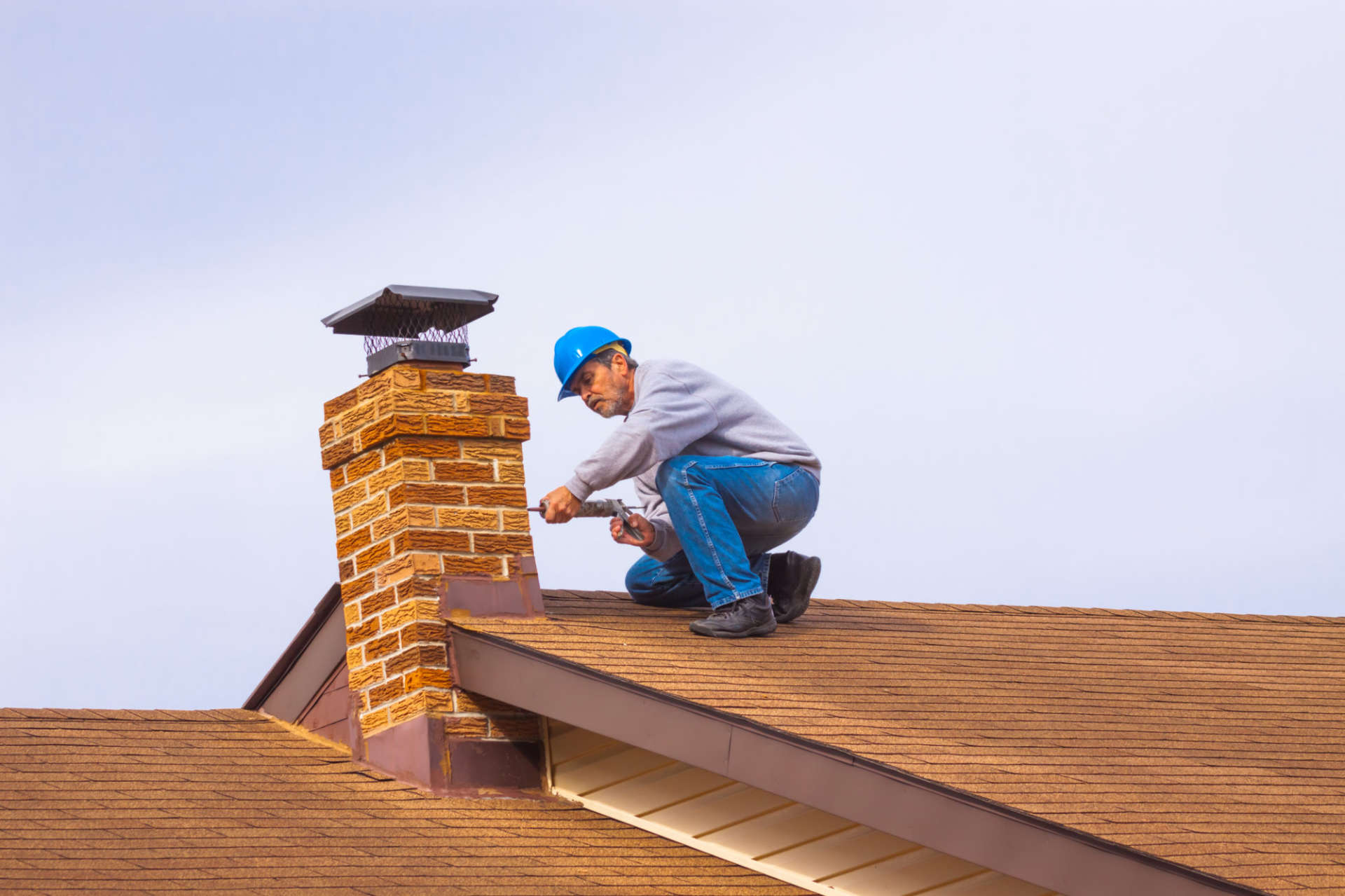
Provides structural integrity to buildings.
Step 3: Removing the Old Liner 🛠️
The existing liner is carefully removed:
🔸 Clay tile liners are broken apart and extracted.
🔸 Metal liners are detached and taken out.
🔸 The chimney is thoroughly cleaned to remove debris & creosote buildup.
Step 4: Installing the New Chimney Liner 🚧
We install the new liner using precise fitting and sealing techniques:
🔥 Stainless steel liners are inserted with insulation for maximum heat protection.
🔥 Cast-in-place liners are poured into the chimney to form a solid barrier.
🔥 Clay tiles are carefully stacked and sealed with high-temperature mortar.
Step 5: Final Testing & Safety Check ✅
After installation, we perform a full safety inspection, including:
✔ Checking for proper airflow & smoke ventilation.
✔ Ensuring the liner is securely fitted and leak-proof.
✔ Verifying compliance with NFPA safety standards.
🚀 Once complete, your chimney is safer, more efficient, and ready for long-term use!
Benefits of Chimney Liner Replacement
A new chimney liner provides several advantages for your home, safety, and heating efficiency:
1. Prevents Chimney Fires & Carbon Monoxide Leaks
🔥 Old liners can crack and allow heat to escape, increasing fire risks.
☠️ Damaged liners can leak carbon monoxide, endangering your household.
✅ Solution: A new liner prevents heat transfer and gas leaks.
2. Improves Heating Efficiency & Airflow
❄️ A failing liner reduces smoke draw, causing poor combustion and lower heat output.
🔗 Solution: A properly sized liner improves airflow, fuel efficiency, and heat retention.

3. Extends Chimney Lifespan & Reduces Repair Costs
🏗️ Without a liner, moisture and soot damage masonry over time.
💰 Replacing a chimney liner prevents expensive brickwork repairs.
🔗 Solution: A stainless steel liner lasts a lifetime with proper care.
4. Complies with Fire Safety Regulations
🚨 The Chimney Safety Institute of America (CSIA) and NFPA recommend replacing damaged liners to meet fire safety codes.
FAQs About Chimney Liner Replacement
Common questions about chimney liner replacement, including its purpose, signs of damage, types of liners, costs, installation process, and benefits for chimney safety.
How much does chimney liner replacement cost?
💰 The cost ranges from $1,000 to $3,000, depending on the liner type and chimney condition. Stainless steel liners are more expensive but last a lifetime.
How long does a chimney liner last?
✅ Clay tile liners last 20-30 years but can crack over time.
✅ Stainless steel liners can last a lifetime with proper maintenance.
How do I know if I need a new chimney liner?
🚨 Signs include:
- Cracked or missing flue tiles.
- Smoke leaking into your home.
- Rust or water damage inside the chimney.
- Strong burning smell from the fireplace.
Can I install a chimney liner myself?
❌ No! DIY installation can lead to ventilation issues, carbon monoxide leaks, and fire hazards. A professional ensures proper fit and safety compliance.
Does a gas fireplace need a chimney liner?
✅ Yes! Even gas fireplaces produce moisture and combustion gases that require proper venting through a lined chimney.
Article & Blog Post for Ottawa Masonry
Discover everything you need to know about masonry work in Ottawa, from materials to expert craftsmanship.
Chimney Rebuild vs Repair Ottawa | How to Know What You Need 2026
Chimney Rebuild vs Repair in Ottawa: How to Know What You Need 🧱 Quick Answer Chimney repair in Ottawa costs...

Chimney Cleaning & Inspection Ottawa | What Homeowners Must Know 2026
Chimney Cleaning & Inspection in Ottawa: What Every Homeowner Must Know 🔥 Quick Answer Professional chimney...
Chimney Leak Repair: Winter Warning Signs Ottawa Homeowners Must Know
Chimney Leak Repair: Winter Warning Signs Ottawa Homeowners Must Know Winter is the worst time for chimney leaks in...