
Brick Wall Repair in Ottawa: Common Problems & Expert Solutions
🧱 Repair Guide
Professional brick wall repair in Ottawa costs $8–$40 per square foot depending on the type and severity of damage. Mortar repointing runs $8–$25/sq ft, individual brick replacement costs $10–$30 per brick, spalling repair averages $10–$20/sq ft, and full restoration projects range from $5,000 to $30,000+. Ottawa’s 55+ annual freeze-thaw cycles are the primary driver of brick deterioration — catching problems early saves thousands in repair costs.
Prices reflect 2026 Ottawa-area rates. Damage extent, wall height, access, and brick type affect final cost.
Brick is one of the most durable building materials available — with proper care, a brick wall can last well over 100 years. But Ottawa’s punishing climate puts extraordinary stress on masonry. Between the deep winter freezes, spring thaw flooding, intense summer heat, and the relentless cycle of moisture penetration and ice expansion, even the best-built masonry repair issues will eventually surface. Crumbling mortar, spalling brick faces, white salt staining, and cracked lintels are problems we see on Ottawa homes from Kanata to Orleans, Barrhaven to Rockcliffe. At Ottawa Masonry, our brick repair team handles everything from small repointing patches to full-scale wall restoration.
The good news is that most brick damage is repairable — and the earlier you act, the less it costs. A $300–$500 repointing job today prevents a $5,000–$20,000 restoration next decade. This guide covers every common brick problem Ottawa homeowners encounter, what causes each issue, how professionals fix it, and what you should expect to pay.
■ Common Brick Problems in Ottawa
Understanding what you are looking at is the first step toward an effective repair. Here are the problems we diagnose most frequently on Ottawa brick walls:
Additional issues include bowing or bulging walls (caused by water damage, tie failure, or lateral pressure — a serious structural concern), failed lintels above windows and doors (steel lintels corrode and expand, cracking the surrounding brick), and biological growth (moss, algae, lichen) which retains moisture against the brick surface and accelerates deterioration. Each problem has a targeted solution, and most can be resolved without replacing the entire wall.
■ Brick Wall Repair Costs in Ottawa
Heights above one storey add 20–40% to labour costs due to scaffolding requirements and the additional time needed for safe access. Complex brick patterns, colour matching for heritage homes, and hard-to-access locations (behind porches, above additions, tight alleyways) also increase costs. Getting multiple quotes from experienced masonry professionals ensures fair pricing.
■ Professional Repair Solutions
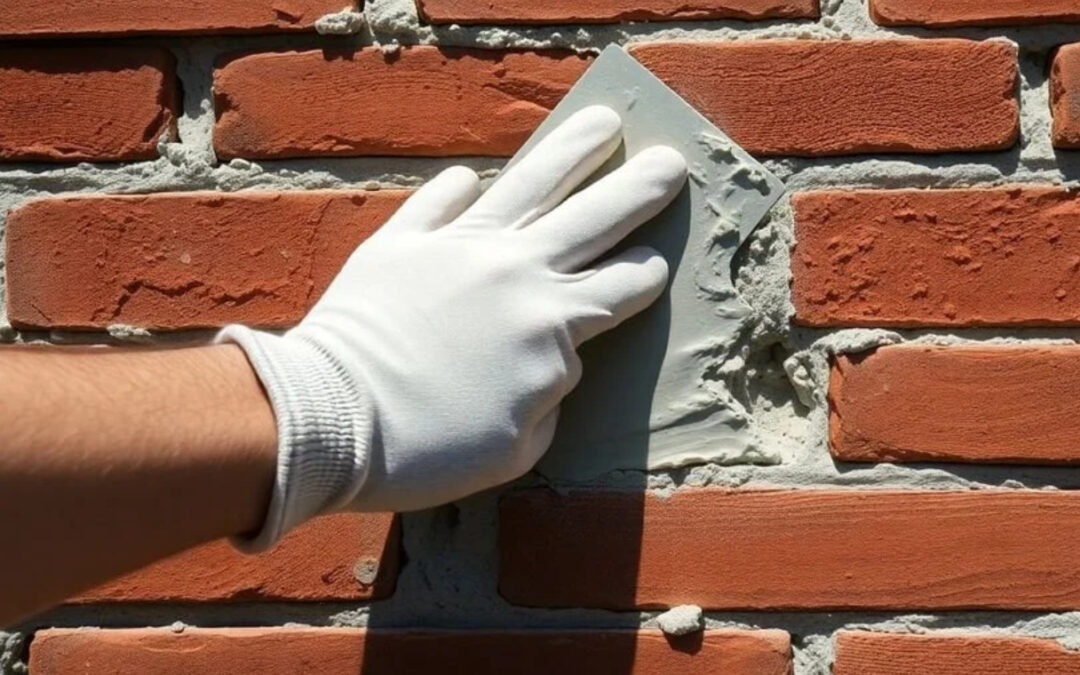
Repointing (tuckpointing) — The most common brick repair in Ottawa. Old, deteriorated mortar is carefully removed to a depth of at least 3/4 inch using hand tools or a thin-blade grinder, then new mortar is packed into the joints in layers and tooled to match the existing profile. The new mortar must be compatible with the brick — modern Portland cement mortar for post-1930 hard brick, lime-based mortar for pre-1920 soft heritage brick. Proper repointing lasts 25–50 years depending on exposure and maintenance.
Brick replacement — Damaged bricks are carefully removed without disturbing surrounding units, and matching replacement bricks are set with compatible mortar. Colour and texture matching is critical for a seamless result — an experienced mason sources brick from salvage yards, manufacturer archives, or occasionally relocates matching bricks from a less-visible area of the same building. For heritage properties, using period-correct brick and lime mortar is essential to avoid damaging adjacent original brick.
Crack stitching — For structural cracks caused by settlement or movement, helical stainless steel bars are inserted into slots cut into the mortar joints across the crack, then grouted in place. This pins the crack and redistributes structural loads across a wider area, preventing further movement. Often combined with repointing for a complete structural and cosmetic repair.
Lintel replacement — Steel lintels above windows and doors corrode over time, expanding and cracking the surrounding brick. Replacement involves temporarily supporting the brick above, removing the failed lintel, installing a new galvanised or stainless steel lintel, and rebuilding the brickwork above it. Catching a failing lintel early (look for cracks radiating from the corners of window and door openings) prevents the much larger collapse repair.
Wall stabilisation — For bowing or bulging walls, wall anchors ($400–$900 each, one every 5 feet) connect through the wall to stable soil or structural members, pulling the wall back into alignment. Carbon fibre straps ($3,000–$5,000 for a 20–25 ft wall) reinforce walls showing early signs of inward movement. These solutions are less invasive and far less costly than complete wall rebuilds. A structural assessment by a qualified professional determines the appropriate method.
■ Why Ottawa Is Tough on Brick
Ottawa’s climate creates a perfect storm of brick-destroying conditions. The city experiences a temperature range of roughly 70°C annually (from –35°C in January to +35°C in July), generating enormous thermal expansion and contraction stress on masonry walls. More critically, Ottawa averages 55+ freeze-thaw cycles per year — each cycle drives moisture deeper into mortar and brick, then forces it to expand by 9% as it freezes. Road salt spray on street-facing walls accelerates this process by lowering the freezing point and increasing the number of effective freeze-thaw events in the critical near-zero temperature range. Spring snowmelt delivers massive amounts of water to foundation-level brick that has been stressed all winter. And Ottawa’s Leda clay soils contribute to foundation movement that transfers stress into the brick walls above. All of these factors mean Ottawa brick structures need more proactive maintenance than those in milder climates.
■ When to Repair vs When to Rebuild
Repair makes sense when: mortar joints are eroded but most bricks are intact, fewer than 20% of bricks in the affected area show spalling, cracks follow mortar joints and are not widening, efflorescence is present but the underlying brick is sound, and the wall is plumb (not bowing or leaning). Targeted repairs preserve original brickwork, maintain the home’s character, and cost a fraction of replacement.
Rebuilding is necessary when: more than 50% of bricks in a section are severely spalled, the wall is bowing or leaning more than 1 inch from plumb, multiple horizontal or wide stair-step cracks indicate active structural movement, previous repairs have failed repeatedly (suggesting an unresolved root cause), or the wall is structurally compromised and poses safety concerns. In these cases, partial or full brick wall rebuilding with proper engineering is the only long-term solution. All structural work should comply with the National Building Code and Consumer Protection Ontario requirements.
■ Preventing Brick Damage
Most brick damage traces back to water. Control moisture and you dramatically extend your brickwork’s life. Keep gutters clean and functioning — overflowing gutters dump water directly onto walls below. Ensure downspouts discharge at least 4–6 feet from the foundation. Maintain positive grading so surface water flows away from the house. Repair flashing around windows, doors, and where the roof meets brick walls — failed flashing is a top source of hidden water infiltration. Inspect mortar joints annually (October is ideal, before winter) and address deterioration promptly — a few hundred dollars in mortar repointing prevents thousands in brick replacement. Never apply non-breathable sealant or paint to brick — this traps moisture inside and accelerates spalling. Ensure proper drainage around your foundation to reduce hydrostatic pressure against basement-level brickwork. These simple maintenance practices extend the life of Ottawa brickwork by decades.
■ Choosing the Right Brick Repair Contractor
Masonry wall repair requires specific masonry skills that general contractors and handymen typically lack. The wrong mortar type, improper joint depth, poor colour matching, or aggressive power-tool removal can cause more damage than the original problem. When hiring a mason, verify they carry liability insurance and WSIB coverage, ask to see completed brick repair projects (not just new construction), confirm they understand mortar compatibility (especially important for older Ottawa homes with soft heritage brick), and request an itemised written quote that specifies mortar type, brick source, scope, and timeline. A qualified mason will diagnose the root cause of the damage — not just patch the surface. Ottawa Masonry provides detailed assessments that identify both the visible damage and the underlying conditions causing it.
■ Frequently Asked Questions
How much does brick wall repair cost in Ottawa?
Most residential brick wall repair projects cost between $300 and $5,000. Mortar repointing runs $8–$25 per square foot. Individual brick replacement costs $10–$30 per brick. Spalling repair for a moderate section averages $900–$3,500. Full facade restoration on a larger home ranges from $5,000 to $30,000+. The total depends on the type and extent of damage, wall height, access, and whether scaffolding is required.
What causes brick to spall and crumble?
Spalling is caused by water freezing inside the brick. The water expands by 9%, fracturing the brick face from within. The water gets in through failed mortar joints, incompatible cement mortar on soft brick, non-breathable sealers or paint that trap moisture, or pressure washing that damages the protective fire skin. In Ottawa’s climate with 55+ freeze-thaw cycles, even small amounts of trapped moisture cause progressive spalling over a few winters.
How often should mortar be repointed?
Mortar joints on exposed Ottawa walls typically last 25–40 years before needing repointing. Sheltered walls (under eaves, south-facing) may last longer. North-facing walls and areas exposed to road salt spray may deteriorate faster. Annual visual inspection is the best practice — if you can easily scrape mortar out with a key, or if mortar is crumbling or receding more than 1/4 inch from the brick face, it’s time to repoint.
Can I repair brick myself?
Minor mortar patching on small areas at ground level is manageable for handy homeowners — pre-mixed mortar repair products from hardware stores work for filling shallow gaps. However, professional masonry skills are needed for repointing (proper depth removal, mortar mixing, and joint tooling), brick replacement (without damaging surrounding brick), anything above one storey, any structural cracks, and any work on heritage homes. The wrong mortar type or application technique can accelerate damage rather than fix it.
What does the white powder on my brick mean?
White powdery deposits on brick (efflorescence) indicate that water is moving through the wall, dissolving mineral salts, and depositing them on the surface. While the salt itself is harmless and can be cleaned with mild acid or speciality cleaners, the underlying moisture issue needs attention. Check for failed flashing, cracked mortar, leaking gutters, or poor drainage that might be allowing water into the wall assembly. Fixing the moisture source eliminates the efflorescence permanently.
When is the best time for brick repair in Ottawa?
Late spring through early fall (May–October) is ideal for mortar work. Fresh mortar needs above-freezing temperatures for at least 72 hours to cure properly — applying mortar that freezes before curing results in weak joints that fail within the first winter. September and October are especially good timing because you address damage before another winter cycle. Emergency temporary patches can be done in cold weather using fast-setting hydraulic cement, but permanent repointing should wait for warmer conditions.
Should I seal my brick walls?
In most cases, no. Non-breathable sealers trap moisture inside brick walls, which then freezes and causes spalling — the very damage you are trying to prevent. If a breathable water repellent is needed (for severely exposed walls with recurring water penetration), only a silane/siloxane-based penetrating product should be used — never a film-forming acrylic or silicone sealer. Heritage and soft brick should never be sealed. Proper mortar maintenance and addressing moisture sources are far more effective long-term strategies than sealing.
How do I know if a brick crack is structural?
Structural cracks typically follow patterns: stair-step cracks along mortar joints indicate foundation settlement, horizontal cracks suggest lateral soil pressure, and cracks wider than 1/4 inch or showing vertical displacement (one side higher than the other) signal active movement. Hairline cracks that follow a single mortar joint are usually cosmetic. If you notice cracks combined with sticking doors or windows, sloping floors, or gaps between walls and ceilings above, seek professional assessment immediately — these indicate ongoing structural movement that needs addressing before it worsens.
Will brick repair increase my home’s value?
Yes — well-maintained brick significantly enhances curb appeal and property value. Conversely, visible brick damage (crumbling mortar, spalled faces, staining) is one of the first things buyers and inspectors notice, often leading to reduced offers or deal-breaking inspection findings. The cost of proactive brick maintenance is almost always recovered through higher sale prices and the avoidance of much larger structural repairs. Ottawa real estate buyers expect brick exteriors to be in solid condition.
Can damaged bricks be matched with my existing wall?
In most cases, yes. Experienced masons source replacement bricks from salvage suppliers who stock reclaimed Ottawa-area brick, specialty manufacturers producing period-correct sizes and colours, or from less-visible areas of the same building. Matching involves colour, texture, dimensions, and absorption rate. A skilled mason can achieve a near-invisible repair even on older walls — but it requires time, expertise, and access to multiple brick sources. Mortar colour matching is equally important and is achieved by testing sample mixes against the existing joints.